Bicolor Butterfly Bush
Grow vibrant butterfly blooms from summer through fall
From $25.33 · 2 sizes
- Secure checkout
- Ships in its nursery container
- Growing guides included
 USDA zones5-9
- USDA zones
- 5-9
- Mature height
- 5-8 ft
- Sun
- full sun
- Bloom time
- early summer through fall
About Bicolor Butterfly Bush
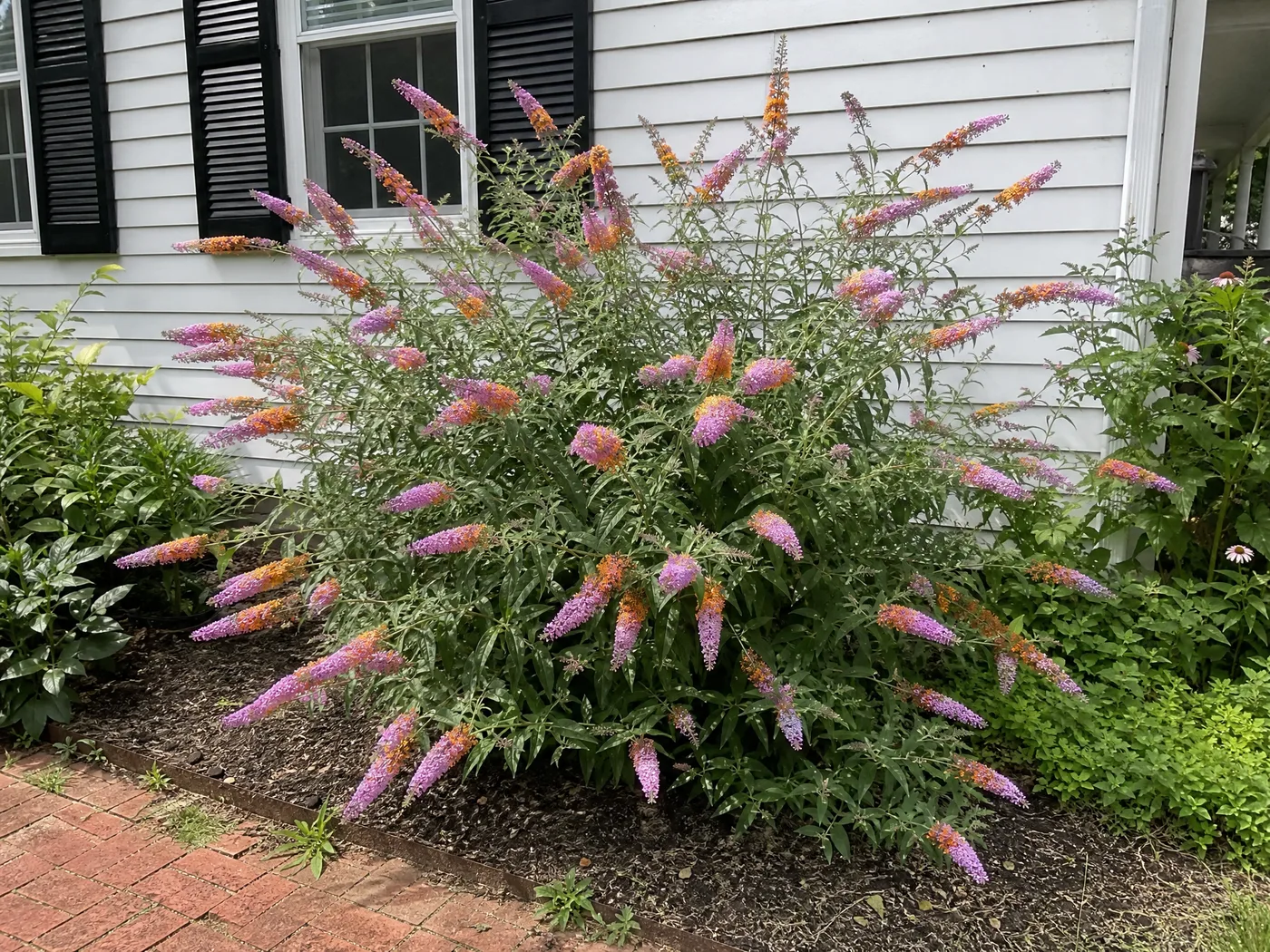
The Bicolor Butterfly Bush is a fast-growing deciduous shrub prized for its long seasons of fragrant, two-tone pink and purple flower spikes. From early summer through fall, it blooms prolifically, attracting butterflies, hummingbirds, and other pollinators. Its colorful display and low maintenance make it a favorite for cottage gardens and mixed borders.
Here you'll find everything you need to grow Bicolor Butterfly Bush successfully. We cover site selection, planting, seasonal pruning, and year-round care, including pest and disease management, watering practices, and keeping your shrub full and floriferous. Shop for plants suited to zones 5 through 9, or start from seed.
Why gardeners choose Bicolor Butterfly Bush
- Two-tone pink and purple flower spikes
- Lavender buds opening peachy pink
- Blooms June through October
- Adds roughly 2-3 feet a year
- Deer typically avoid the aromatic foliage
- Workable as a perennial in zones 5-6
- Easy in full sun and average soil
Buy Bicolor Butterfly Bush
Nursery-grown plants shipped in their container, with our planting and care guides to go with them.
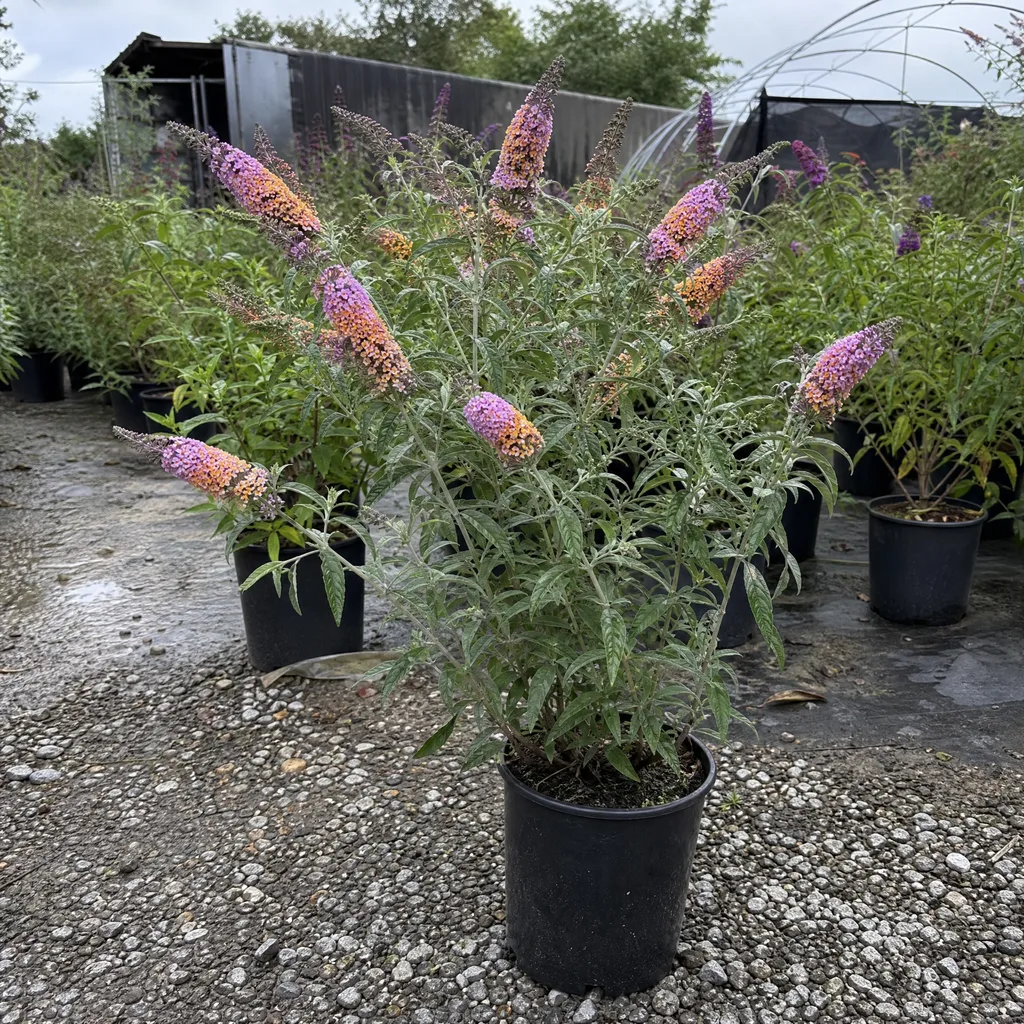
- Fast grower reaching 5-8 ft tall in 2-3 seasons, with abundant pink-and-purple flower spikes June through October
- Drought tolerant once established and resistant to deer; thrives in full sun and average garden soil
- Adapts to zones 5-9, blooming reliably the first year and persisting as a woody shrub in mild climates
- Secure checkout
- Ships in its nursery container
- Growing guides included
Quick facts
| USDA zones | 5-9 (dies back to the ground in zone 5-6 and regrows as a woody-based perennial; fully woody shrub in 7-9) |
|---|---|
| Mature height | 5-8 ft, though some unpruned specimens in mild climates reach 10-12 ft |
| Mature width | 4-6 ft |
| Sun | full sun (6+ hours); blooms and habit both decline noticeably in part shade |
| Water | moderate at establishment, then drought tolerant; avoid standing water |
| Bloom time | early summer through fall, roughly June-September/October depending on region and pruning timing |
|---|---|
| Bloom color | two-tone spikes: lavender buds that open to peachy pink with a yellow cast |
| Growth rate | fast, roughly 2-3 ft of new growth per year on established plants |
| Deer resistance | good resistance (aromatic foliage is generally avoided) |
| Plant type | deciduous flowering shrub |
Growing guides
All 29 guides →
Bicolor Butterfly Bush Buying Guide: What to Look For
Covers quality indicators, container sizes, and where to buy online or locally
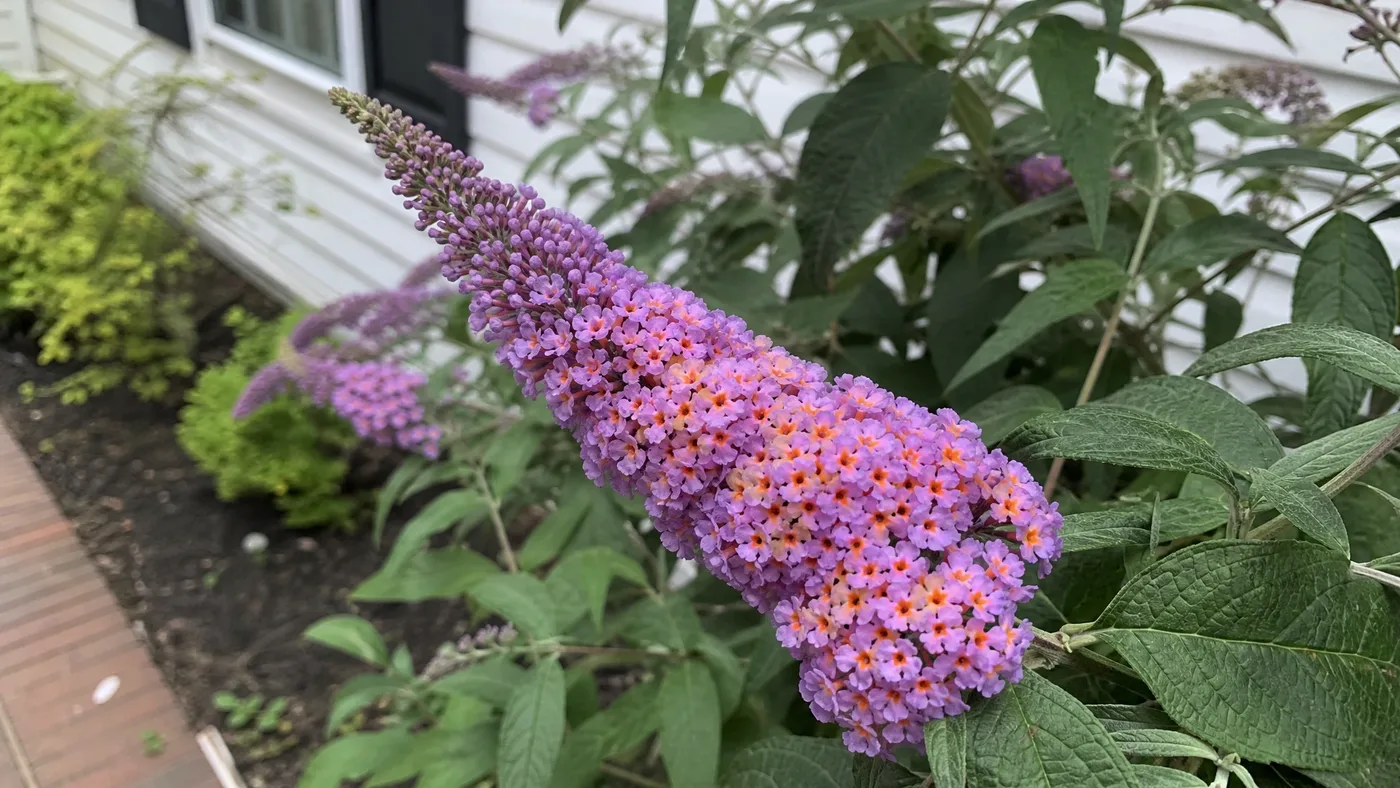
Is Bicolor Butterfly Bush Real? Its Confusing Names Explained
The two-tone bloom is genuine, and the names, history, and tags are untangled
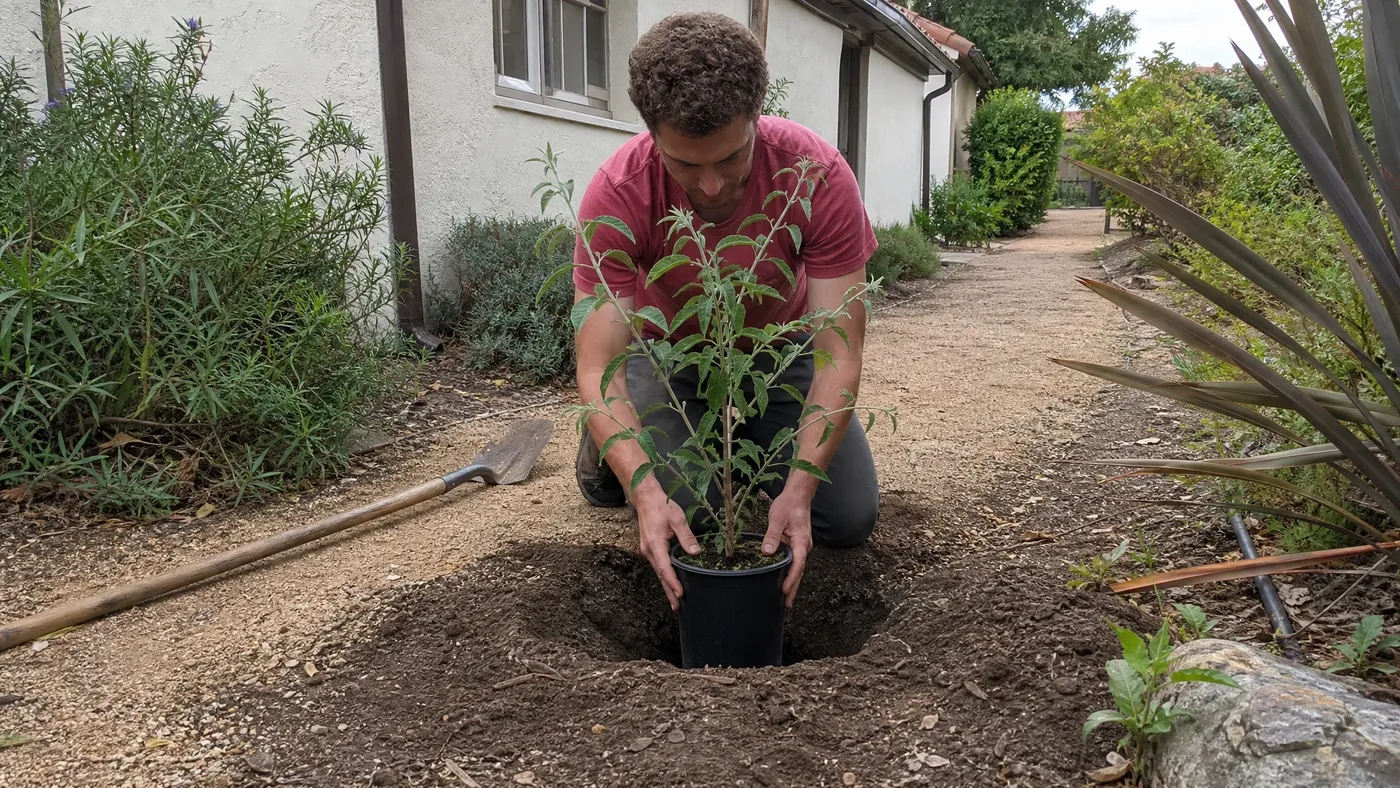
How to Plant a Bicolor Butterfly Bush the Right Way
Success after planting depends on timing, spacing, and care that follows
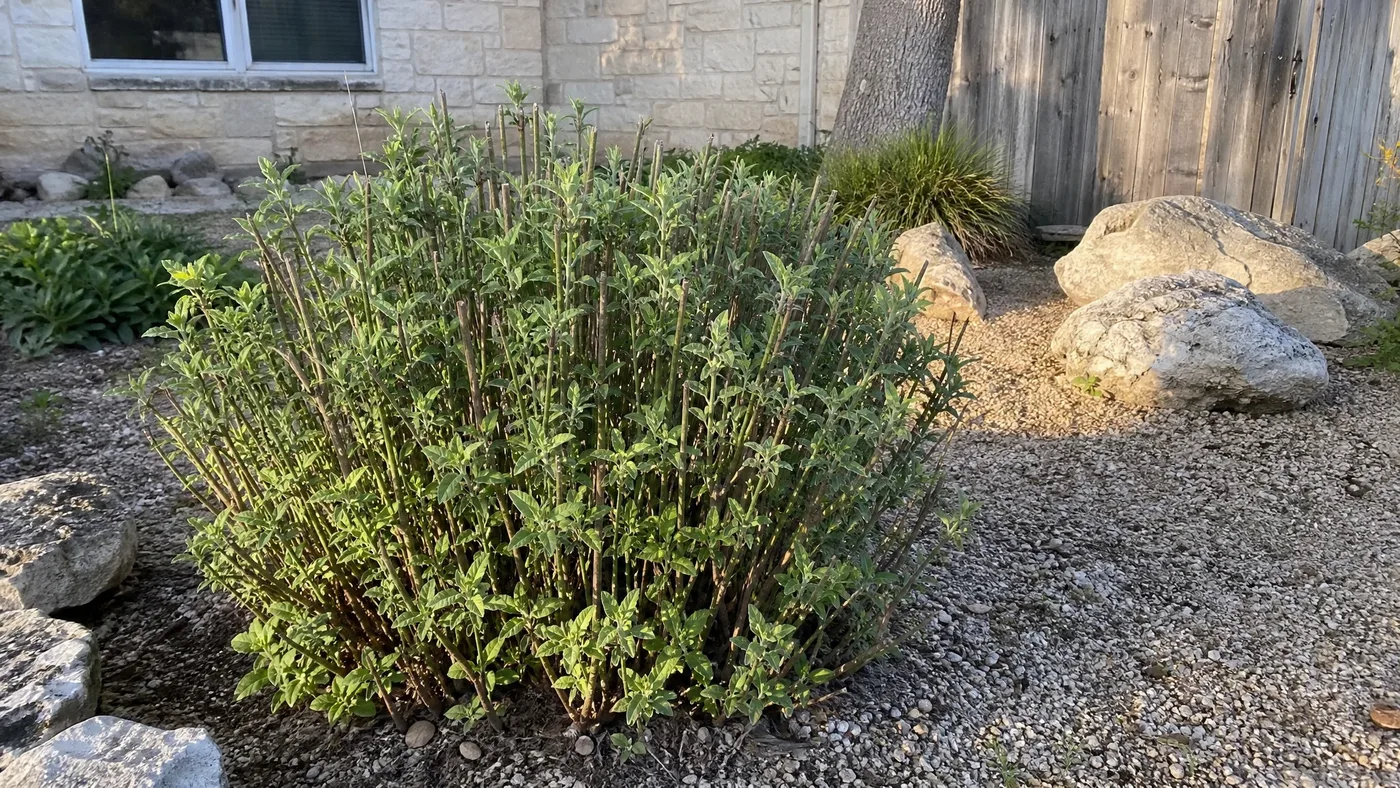
Bicolor Butterfly Bush Care: A Complete Growing Guide
Pruning, watering, and troubleshooting for zones 5 to 9 growers
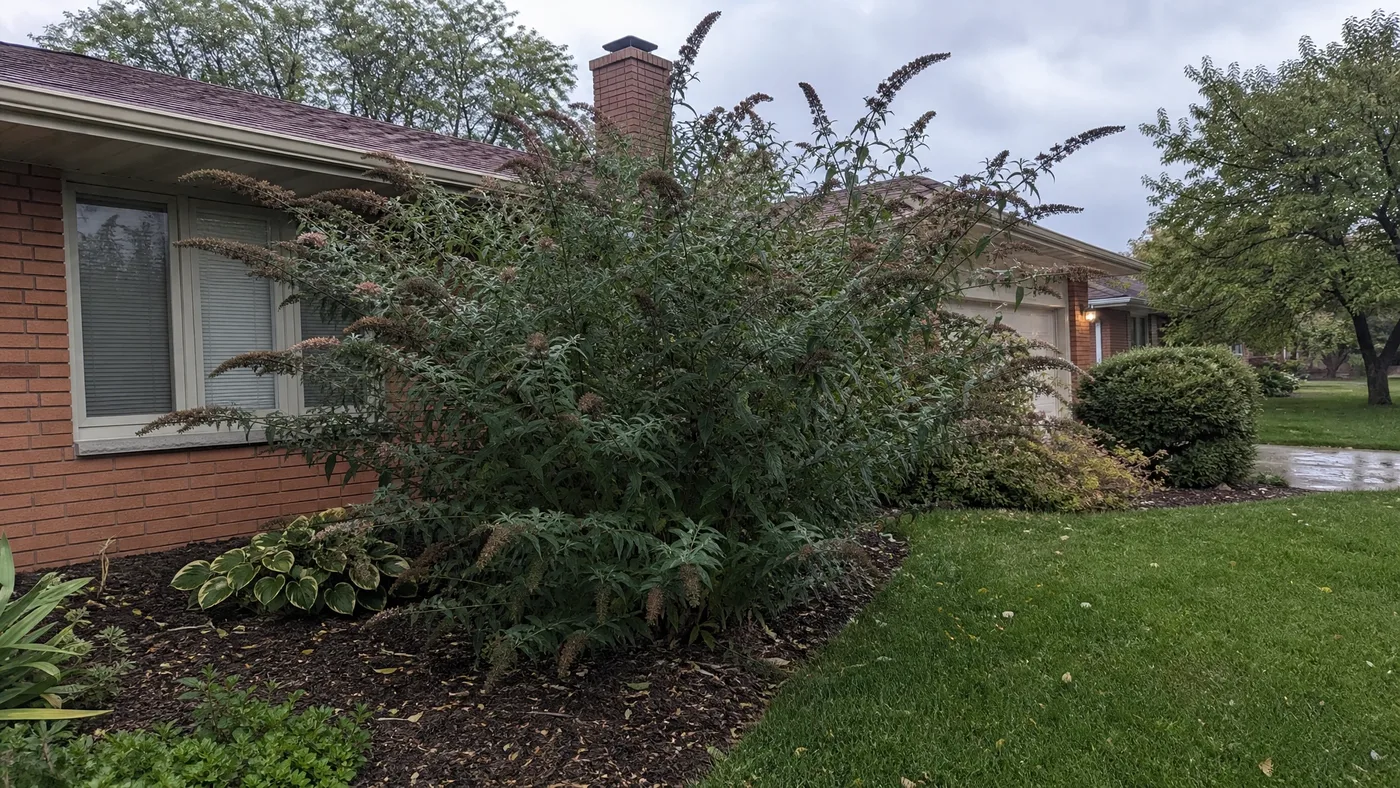
How Big Does a Bicolor Butterfly Bush Really Get?
Reaches 5 to 8 feet, with 2 to 3 feet of yearly growth
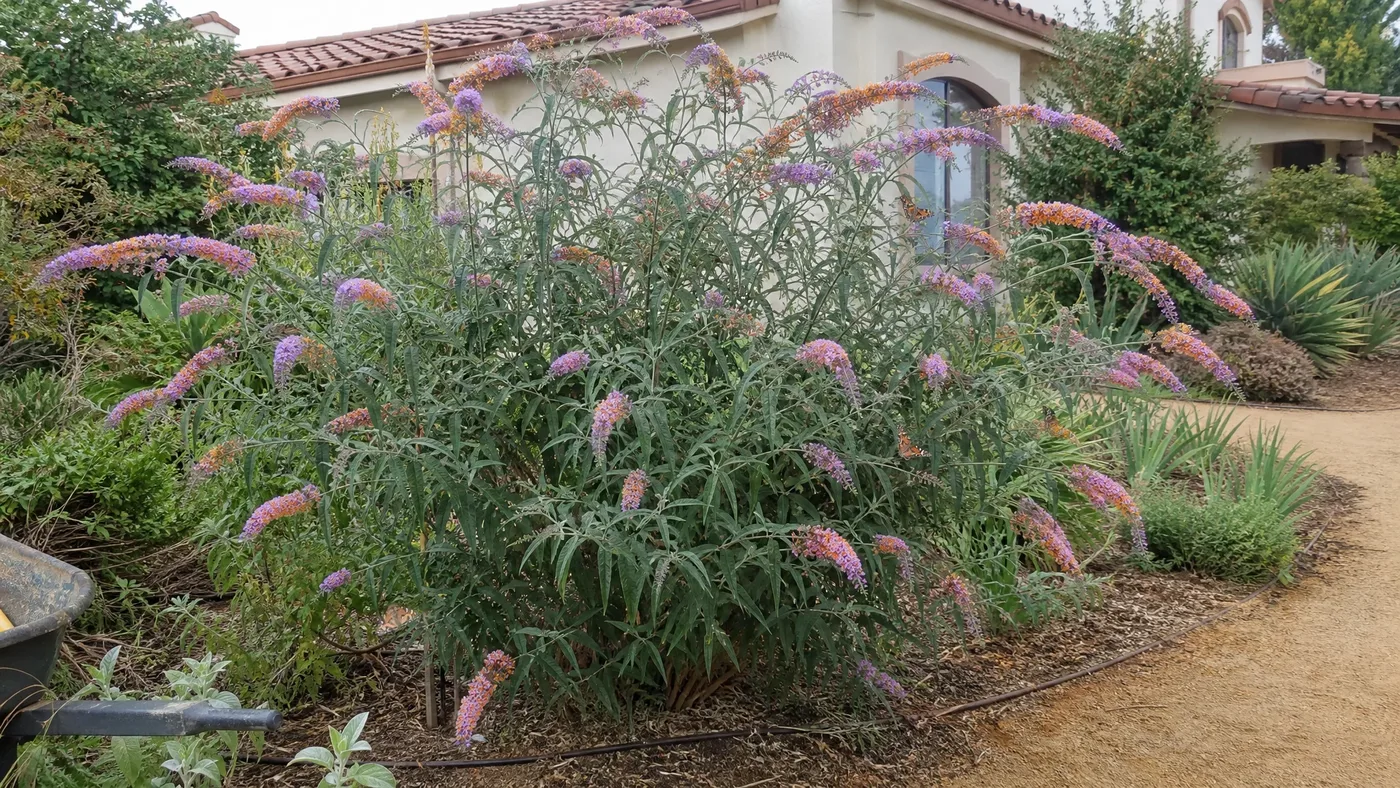
Bicolor Butterfly Bush Growth Habit: Arching or Upright?
Its arching silhouette, whether heavy clusters need staking, and where to place it
Bicolor Butterfly Bush questions
When should I prune my bicolor butterfly bush?
Prune hard in late winter or very early spring, cutting stems back to about 12-18 inches, since flowers form on new growth.
Why isn't my butterfly bush blooming?
Usually too much shade, no pruning (leading to legginess), or overfertilizing with high-nitrogen fertilizer at the expense of blooms.
Is bicolor butterfly bush invasive?
The parent species can self-seed aggressively and is restricted in parts of the Pacific Northwest and UK; deadheading spent blooms reduces the risk, and it's worth checking local regulations before planting.
Will it survive winter in colder zones?
In zones 5-6 it often dies back to the ground and regrows from the roots each spring, still flowering the same season since it blooms on new wood.
How much sun does it need?
Full sun is best; it tolerates light shade but flowering and form both suffer without at least 6 hours of direct sun.
Buy Bicolor Butterfly Bush
From $25.33 · 2 sizes